A Quiet Gear Check Before a Backcountry Night Trip
Night changes the character of a backcountry trip. A trail that feels obvious in daylight can lose its shape under trees, and a short delay can make wet clothing, low batteries or a missed turn matter far more than expected. The useful preparation is not complicated, but it does require attention. A quiet gear check before leaving gives each item a job and gives the trip a clear limit.
This is not a matter of carrying every possible contingency. It is a pause to confirm that essential equipment works together, that it is accessible in the dark, and that the plan still makes sense for the weather, terrain and people going along. The check should happen early enough to fix a problem without rushing to the trailhead.
Start With the Route, Not the Pack
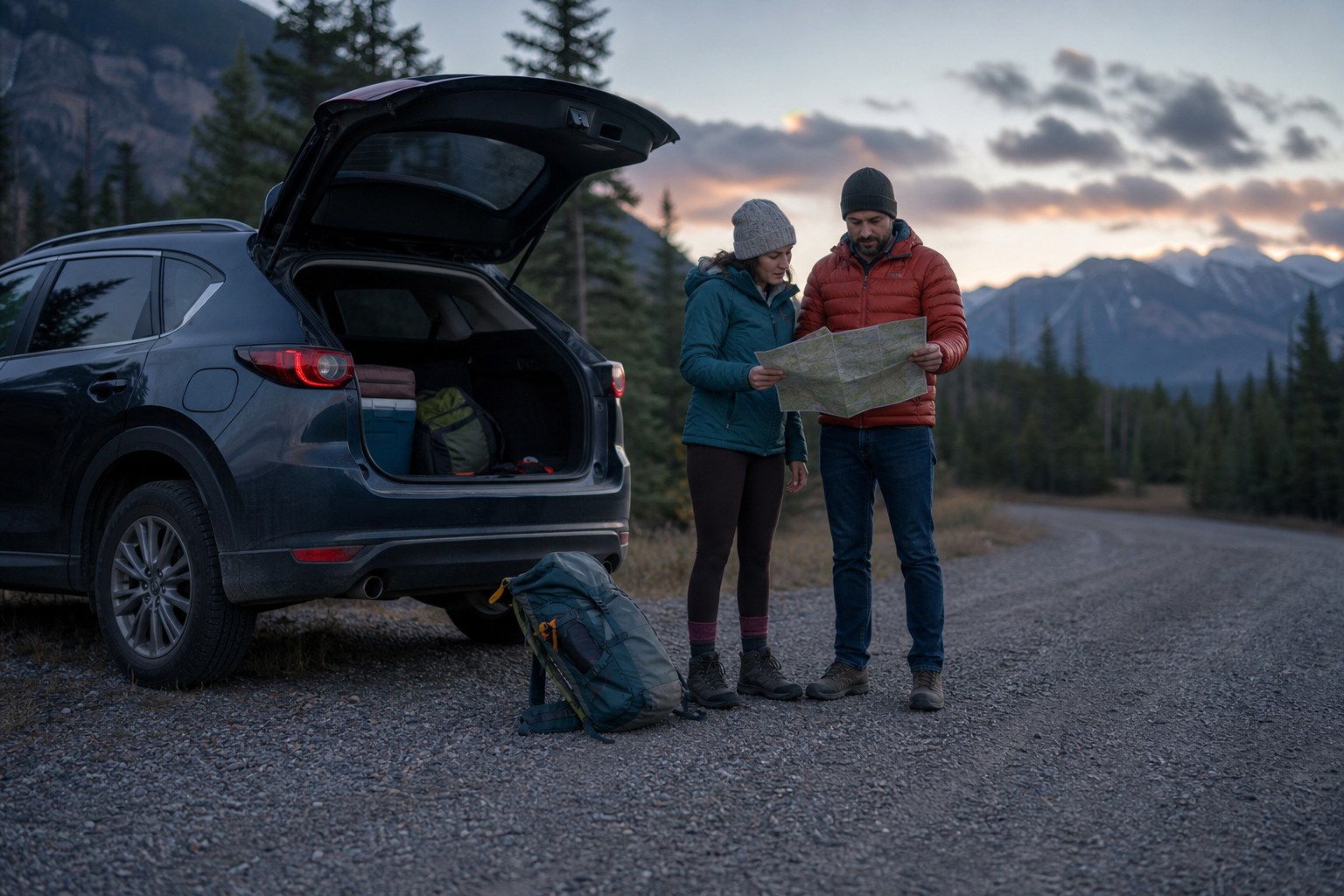
Navigation deserves the first look because it shapes every later decision. Review the route in daylight and identify the points where a wrong turn is most likely: junctions, open slopes, stream crossings and areas where a faint path blends into surrounding ground. Note a few unmistakable landmarks before they disappear into shadow.
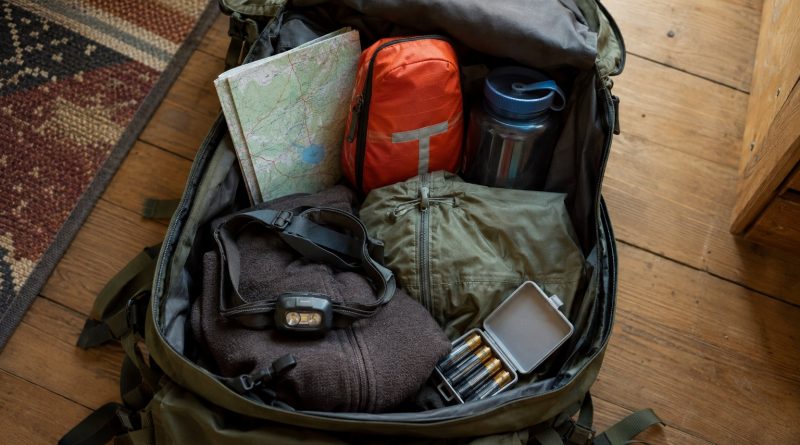
Carry a map that remains usable if a phone fails or gets wet, along with a compass that is familiar rather than merely present. A phone with downloaded maps can be valuable, but its usefulness depends on charged batteries, known map coverage and the ability to operate it without staring at a bright screen for long periods. Check that the route data is actually stored offline. Do not assume that an app will display everything once the signal disappears.
Navigation tools should be placed where they can be reached without emptying the pack. A map in a protective sleeve and a compass in an outer pocket are more practical than either item buried under spare clothing. If the route includes a return in darkness, walk through the return sequence mentally: where the trail leaves the road, which junction comes first, and what feature confirms that the chosen direction is correct.
Build Layers for Waiting, Not Just Walking
People often dress for the effort of moving and forget that a night trip may include long periods of standing still, watching, treating an injury or deciding whether to continue. A clothing system should handle both conditions. Start with a moisture-managing base layer, add insulation appropriate to the forecast, and carry a shell that can deal with wind or rain. Cotton next to the skin is a poor choice when dampness and cooling are possible.
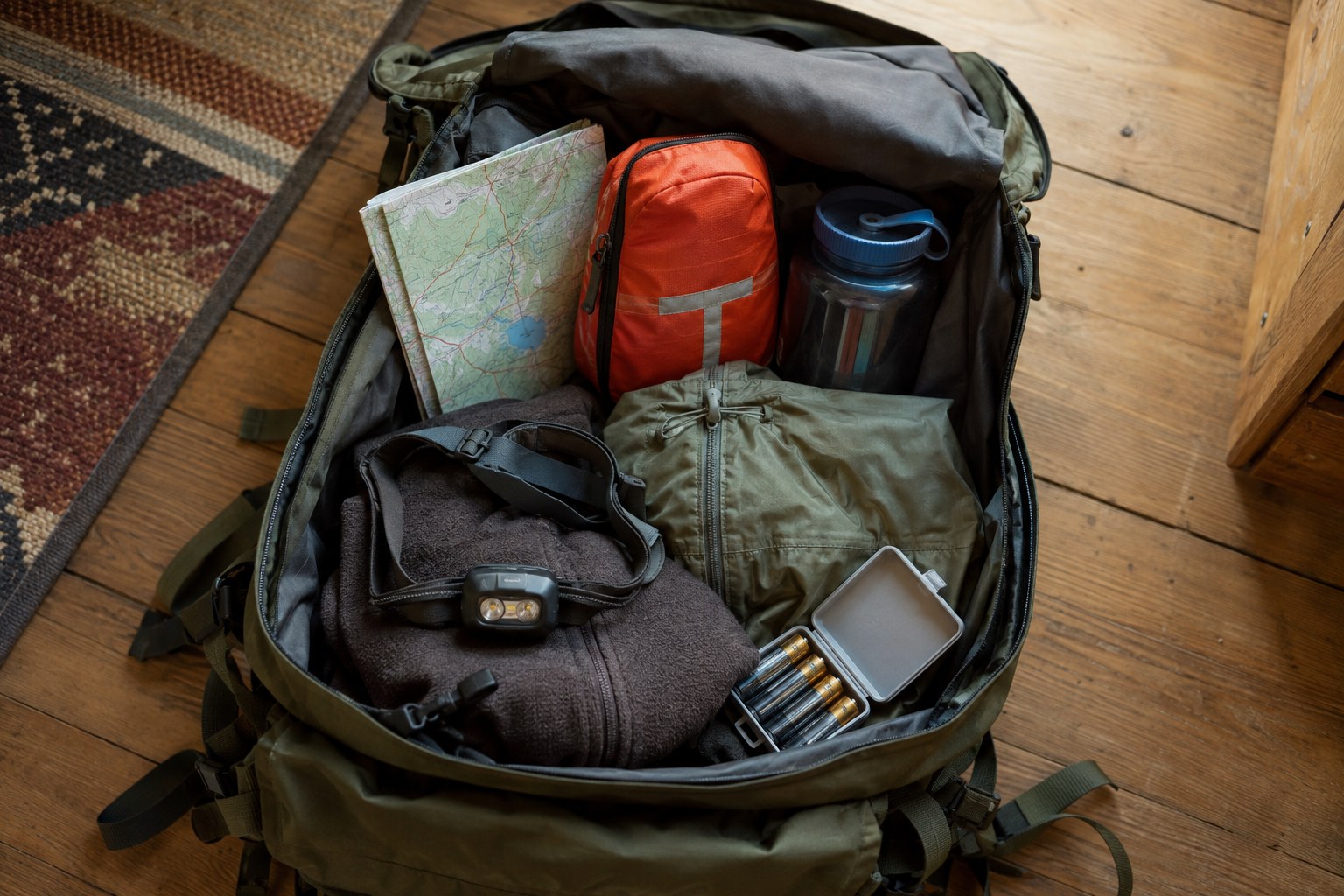
Pack the insulating layer even if the afternoon feels mild. Temperature, wind and activity level can change quickly after sunset, especially near water or exposed ridges. A dry pair of socks may be more useful than an extra small accessory, and a hat or gloves can make a disproportionate difference when hands and ears begin to lose warmth.
Keep rain protection and insulation accessible rather than compressed beneath the rest of the load. If a layer is only reachable after removing half the pack, it may be delayed until discomfort has already become a problem. A compact sit pad or ground sheet also has practical value: it keeps clothing cleaner and provides a dry place to pause during a route decision.
Test Every Light and Battery Combination
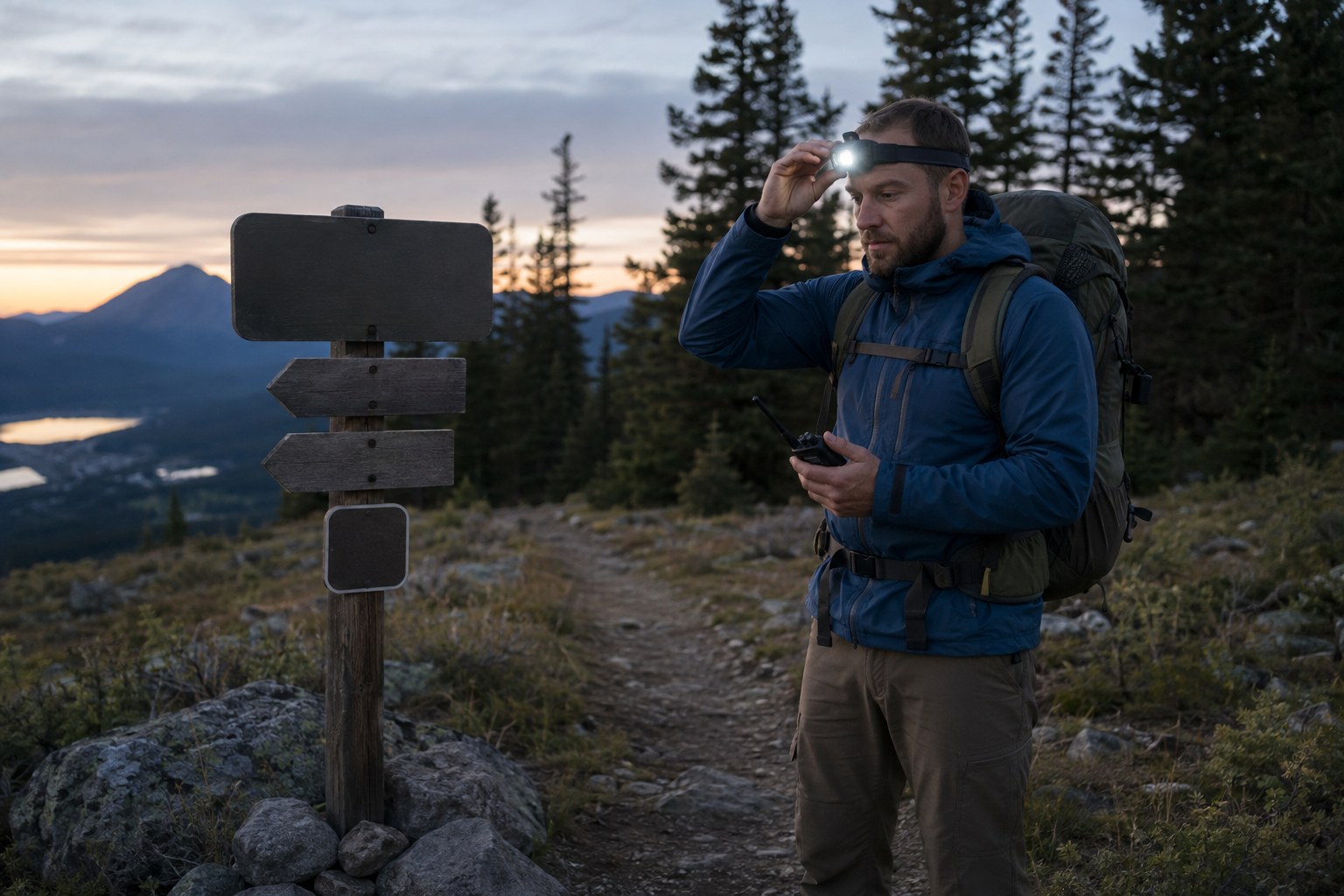
A light should be tested in the conditions in which it will be used. Turn it on, cycle through its modes, inspect the strap and confirm that the controls can be operated with cold or gloved hands. A bright setting is not always the best setting; a lower, controlled beam often preserves night vision and avoids washing out nearby details.
Carry a primary light and a separate backup. They should not depend on the same single point of failure, such as one removable cell or one charging cable. Check the batteries for corrosion, leakage or a poor fit, and confirm that spares match the device. Store them where they will not rub against loose metal objects.
Phone batteries deserve their own check. Reduce unnecessary drain before leaving, but do not treat power-saving settings as a substitute for a charged device. A small power bank can help on a longer outing, provided its cable is compatible and protected from moisture. Keep a light accessible in an outer pocket; reaching it should not require setting down the pack in the dark.
Use Optics Carefully After Sunset
Optics can help with route finding, wildlife observation and identifying distant features, but darkness exposes their limitations. Binoculars and scopes need clean lenses, secure straps and a place where they will not swing against rocks or equipment. Check the focus in daylight and avoid assuming that magnification will reveal detail that the available light does not support.
Condensation is a practical concern when warm, damp air meets a cooler lens. A soft lens cloth belongs in the same protected pocket as the optic, not loose in a pack where grit can collect on it. Keep caps secure when the glass is not in use. If an optic is carried for observation, it should not become a reason to move closer to an uncertain object or leave the marked route.
Any firearm-related equipment should remain incidental to the trip and handled according to local law, established safety rules and the conditions of the outing. Keep the muzzle pointed in a safe direction, keep the action open when the firearm is not being used, and treat every firearm as loaded. Darkness is a reason for greater restraint, not for improvisation or hurried identification.
Make the First-Aid and Communication Plan Concrete
A first-aid kit is most useful when its contents match the likely environment and the group’s skills. Check that dressings are sealed, medications are within date, gloves are present and the kit can be opened with limited light. Include supplies for common trail problems such as blisters, minor cuts, sprains and bleeding, while recognizing that a small kit cannot replace professional care.
Know how to use what you carry. A pressure dressing that has never been handled may be less useful than a simpler setup that everyone understands. Keep emergency contact details and relevant medical information available offline. If someone has an allergy, medication requirement or condition that could affect a response, the group should know what is necessary without making the person explain it during a crisis.
Communication should include a person outside the trip who knows the route, vehicle location, expected return time and the point at which concern should escalate. A message sent at the trailhead is not a complete plan. Explain what to do if the group is late, loses contact or changes the route. In areas with weak coverage, consider a lawful satellite communication option, but confirm its operation and subscription status before relying on it.
Set the Turnaround Before Conditions Set It for You
A turnaround plan is more useful when it is specific. Set a time, location or condition that ends the trip: a forecast change, a remaining amount of daylight, a reduced battery reserve, worsening visibility or a pace that no longer supports a safe return. The decision should be made before fatigue and disappointment begin arguing against it.
Share that limit with everyone in the group. No one should feel that turning back is a personal failure or an inconvenience to be negotiated in darkness. If the route takes longer than expected, stop at a safe place, check the map, assess warmth and power, and decide while there is still a margin for retreat. Continuing simply because the destination is close is a common way for small problems to become larger ones.
At the final check, place the items needed first where they can be reached first. Confirm that the pack closes securely, clothing is dry, lights work, the map is accessible and the communication plan is understood. Then leave with enough margin to move slowly when the ground is uneven. A backcountry night trip should feel deliberate, not rushed. The best gear check is the one that makes sensible decisions easier when the landscape becomes quiet and the light runs out.