Thermal or Low-Light Optics? Choose for the Observation Task
Start with the observation question
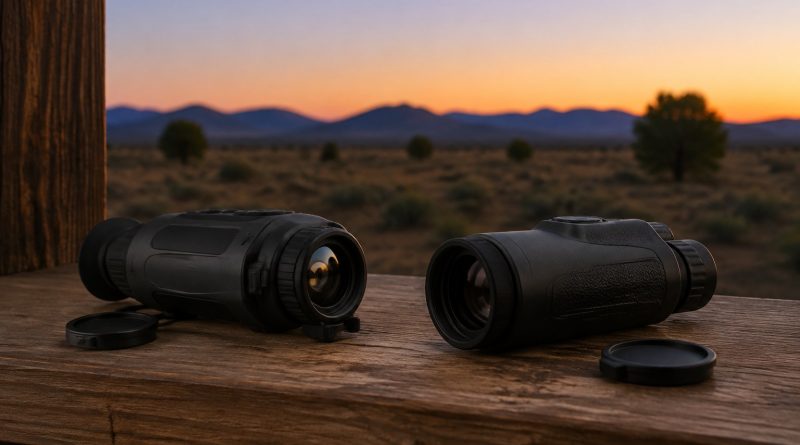
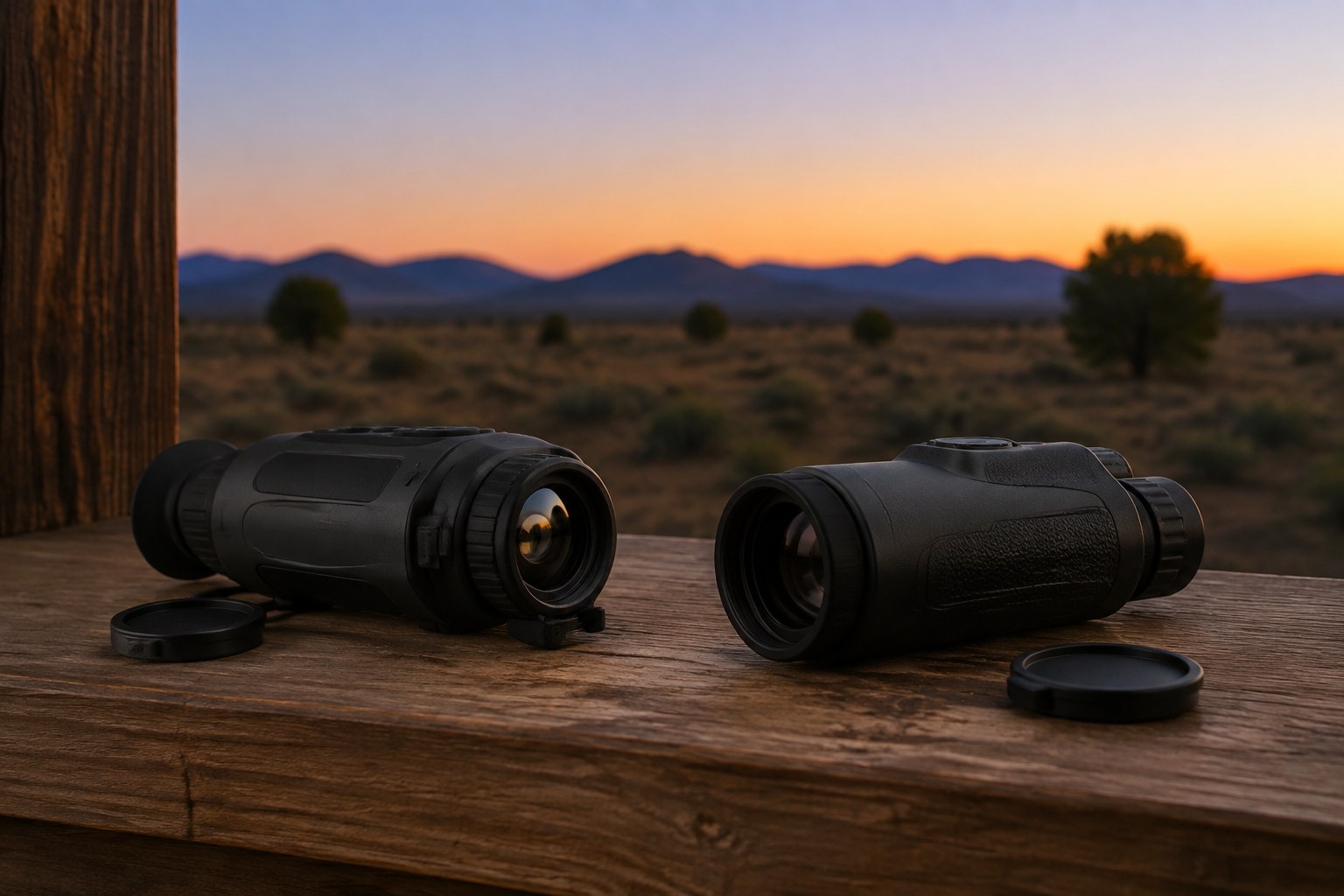
The most useful choice is not between two technologies in the abstract. It is between two different ways of seeing. Thermal optics detect differences in heat, while image-intensified and digital low-light devices work with available light. That distinction matters more than a specification sheet when planning a lawful hunt, wildlife survey, property inspection, or nighttime navigation task.
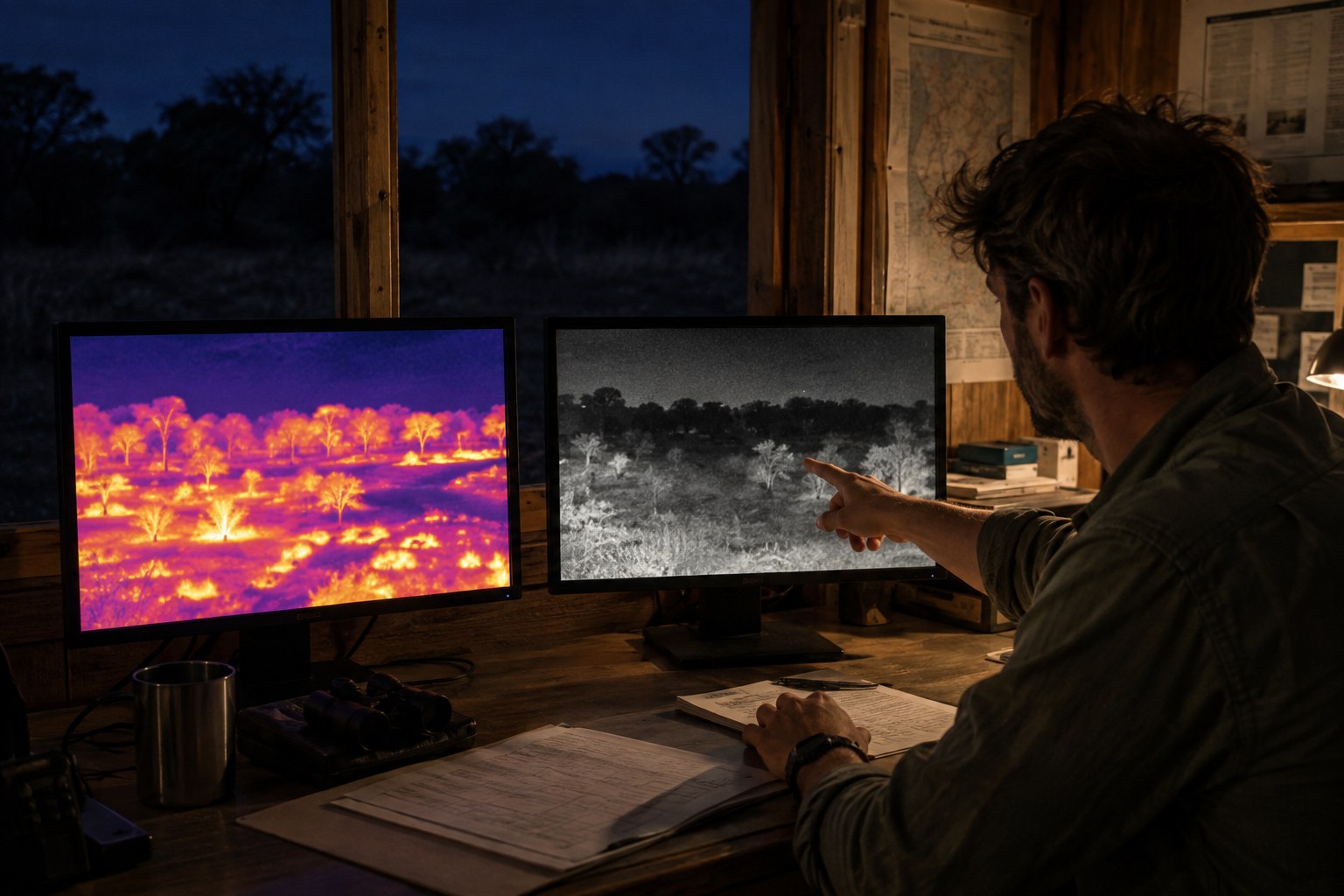
Ask what the observation actually requires. If the first question is “Is something there?” thermal imaging is often highly effective. If the question is “What exactly is it?” a conventional low-light view may provide more useful detail, especially when there is enough moonlight or artificial ambient light. In many situations, the best practice is to detect with one method and confirm with another, rather than treating either image as complete evidence.
What thermal imaging shows well
A thermal device displays temperature differences rather than a normal visual scene. Warm animals can stand out against cooler ground, vegetation, or structures, even when visible light is poor. This makes thermal useful for scanning open areas, checking the edges of cover, locating a person who needs assistance, and finding animals that would be difficult to notice by eye.
Thermal also reduces the importance of camouflage based on color and pattern. A brown animal against brown brush may blend into a visible-light image, but a difference in surface temperature can still create a detectable shape. That advantage is strongest when the background and subject have meaningfully different temperatures. It becomes less decisive when everything has been exposed to the same conditions for a long period.
Detection is not identification, however. A thermal image may reveal a warm shape without showing the features needed to distinguish species, sex, age, equipment, or harmless activity. Branches, grass, rocks, and warm surfaces can create confusing outlines. Reflections and heat retained by objects can also mislead the observer. Thermal is excellent at prompting a closer look; it is not automatically the final word.
Where low-light viewing has the advantage
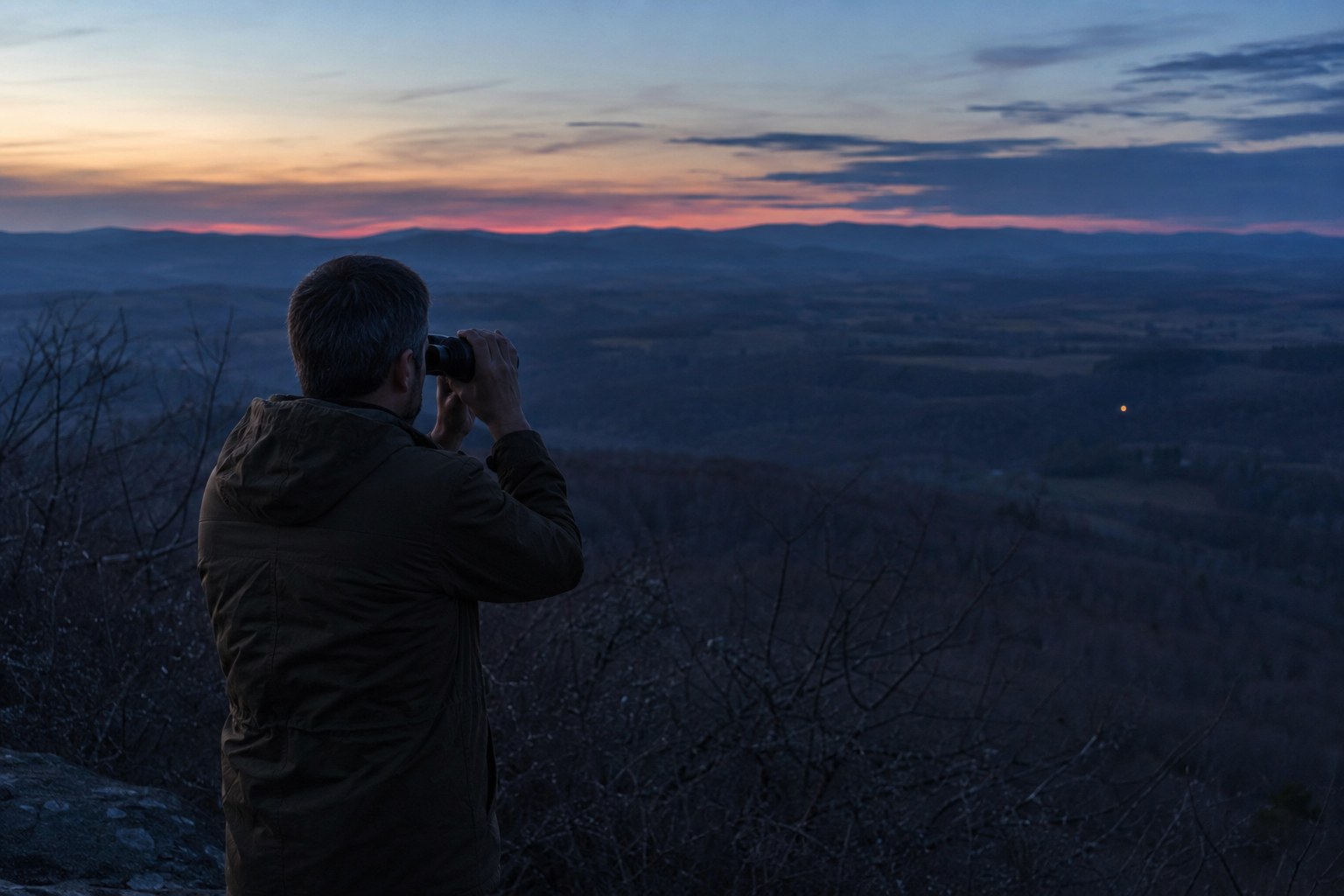
Image-intensified optics amplify available light into a recognizable scene. Digital low-light devices use a sensor and electronic processing to do something similar, often with display controls, recording functions, or an infrared illuminator. Both approaches can preserve visual cues that thermal may flatten: color in favorable conditions, surface texture, shape, markings, and the relationship between an object and its surroundings.
That extra context is valuable for safe confirmation. A fence post, branch, animal, and person can have similar thermal signatures but look very different in a visible or intensified image. Low-light viewing can also make trails, signs, terrain features, and obstacles easier to interpret. It generally feels more like looking through daylight, although image noise, limited contrast, and a narrow field of view can still complicate the scene.
Low-light equipment needs light to work with. Under a dark overcast sky, beneath a dense canopy, or inside an unlit structure, image quality can deteriorate quickly. Digital devices may display a clean image in one setting and a noisy, delayed, or heavily processed image in another. An infrared illuminator can help in some lawful observation tasks, but it adds another power demand and may alter how the scene appears to the observer.
Weather, terrain, and the space between you
Conditions often decide the outcome. Thermal energy does not pass through ordinary glass, so a view through a window may show the window’s temperature rather than the scene beyond it. Wet vegetation, rain, fog, and humidity can reduce contrast and detail. Thermal may still detect a large warm subject in poor weather, but the image can become soft and ambiguous. Water, wet rocks, and recently warmed surfaces may add distracting patterns.
Low-light optics are affected by darkness, haze, backlighting, and reflective surfaces. Fog can scatter light and reduce contrast, while rain can create glare or streaking. Dense vegetation is a problem for both systems, though in different ways: thermal may show a heat signature through small gaps without revealing a clear outline, while low-light viewing may show the cover but hide what lies behind it.
Terrain changes the balance as well. In open country, detection range and broad scanning may favor thermal. In cluttered woodland, the ability to read edges, branches, trails, and man-made features may favor low-light viewing. Neither system defeats line-of-sight limitations. A hill, wall, thick bank, or building remains an obstruction, and apparent detail should not be mistaken for a clear view of what is beyond it.
Power, handling, and field readiness
Power planning deserves the same attention as image quality. Thermal and digital devices depend on batteries, and digital models may use more energy when displays, recording, wireless functions, or illuminators are active. Image-intensified equipment also requires power, although its operating pattern may differ. Cold weather reduces practical battery life, and spare cells stored loosely in a pack can be damaged, misplaced, or discharged.
Before heading out, check battery condition, controls, lens covers, focus, display brightness, and mounting hardware. Practice operating the device without staring at the screen while walking. A bright display can damage dark adaptation and distract from obstacles. Keep a conventional light available for navigation and emergencies, using it responsibly and in accordance with site rules. Weather protection matters too: a device that works well in a dry test may be awkward when gloves, precipitation, and condensation are involved.
Weight and balance are practical concerns. An optic that is difficult to hold steadily will produce less useful information than a simpler device that can be scanned comfortably. A broad field of view helps with movement and orientation; magnification can help with detail but makes searching slower and can exaggerate hand movement. Choose controls that can be located by feel, and avoid relying on a touch-screen menu when conditions require attention elsewhere.
Detection must lead to safe confirmation
The safest observation habit is to separate detection from identification. When a device shows movement or a warm signature, pause and assess rather than immediately acting on the image. Recheck the area from a stable position. Compare the object with its background, note its movement and shape, and use a second viewing method when available. Daylight confirmation may be the correct choice if the consequences of a mistaken identification are serious.
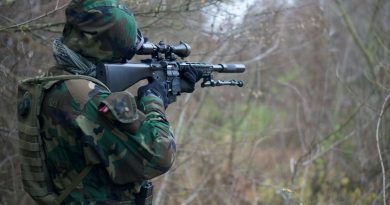
For anyone carrying a firearm during lawful outdoor activity, an optic is never a substitute for the basic rules of safe handling. Keep the muzzle pointed in a safe direction, keep the action open or the firearm unloaded until a lawful decision to shoot has been made, and positively identify the target and what lies beyond it. Do not use thermal or low-light equipment to justify a guess. If the image is unclear, the safe decision is to refrain and continue observing or leave the area.
Privacy and access rules apply to observation equipment as well. Avoid looking into homes or private spaces, respect posted boundaries, and follow local regulations governing wildlife, nighttime activity, recording, and artificial illumination. Good field practice is not merely seeing farther. It is knowing when the image is reliable, when it is incomplete, and when restraint is the most useful piece of equipment available.